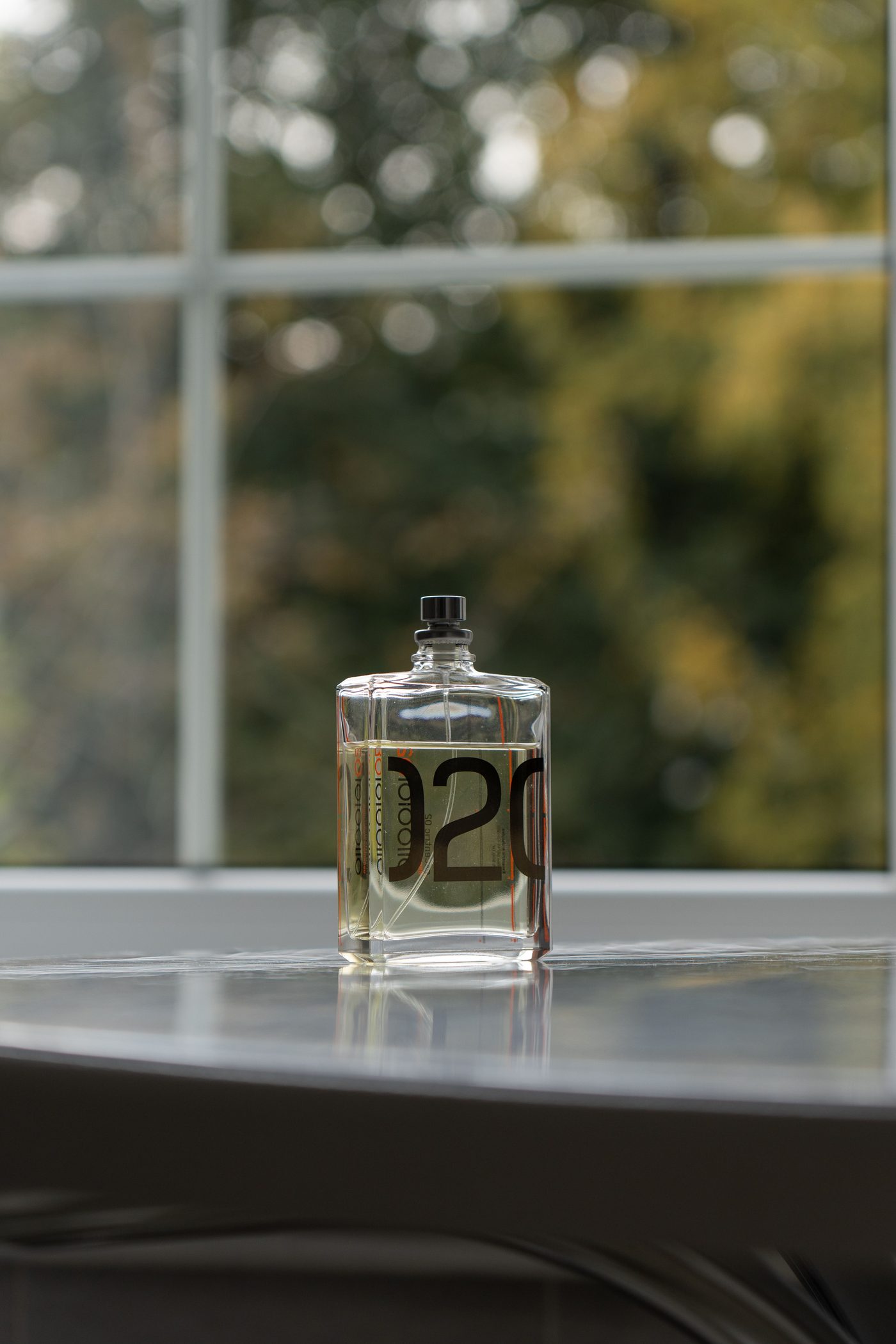
Read any thoughtful description of a perfume and you will find it divided into three parts: top notes, heart notes, and base notes. Far from marketing decoration, this structure describes something real and useful — the way a fragrance changes across the hours you wear it. To understand the note pyramid is to understand why a scent that dazzles in the first minute may disappoint by the afternoon, and why patience is the perfumer's quiet demand.
A fragrance is a composition in time
When you apply a perfume, you are not smelling a single fixed accord but a sequence. Lighter molecules lift away first; heavier ones remain for hours. The result is an evolving impression — a beginning, a middle, and an end — each revealing a different facet of the whole.
Top notes: the opening
These are the first impression, the scent you meet in the opening minutes. Top notes are bright and volatile — citrus, light fruit, fresh herbs — and they fade quickly, often within fifteen to thirty minutes. Because they are so fleeting, judging a fragrance by its opening alone is the most common mistake a buyer can make.
Heart notes: the character
As the top notes recede, the heart emerges. Also called the middle, this is the soul of the fragrance — florals, spices, green facets — and it forms the scent you will live with for most of the wearing. The heart is where a perfume's true personality reveals itself.
Base notes: the memory
Finally come the base notes: the deep, lasting foundation that anchors everything and lingers for hours. Sandalwood, musk, amber, vanilla, oakmoss — these heavy molecules give a fragrance its depth and its longevity. They are the reason a beautiful scent can still be detected on a scarf the following morning.
Why this matters when you buy
Judge a fragrance by its dry-down — the heart and base — never by its first spray. If you crave longevity, look for rich base notes such as amber, musk, and woods. And if the listed base notes do not appeal to you on paper, you are unlikely to enjoy living with them for hours. Once you grasp how notes assemble, the next natural step is to see how they group into the fragrance families.