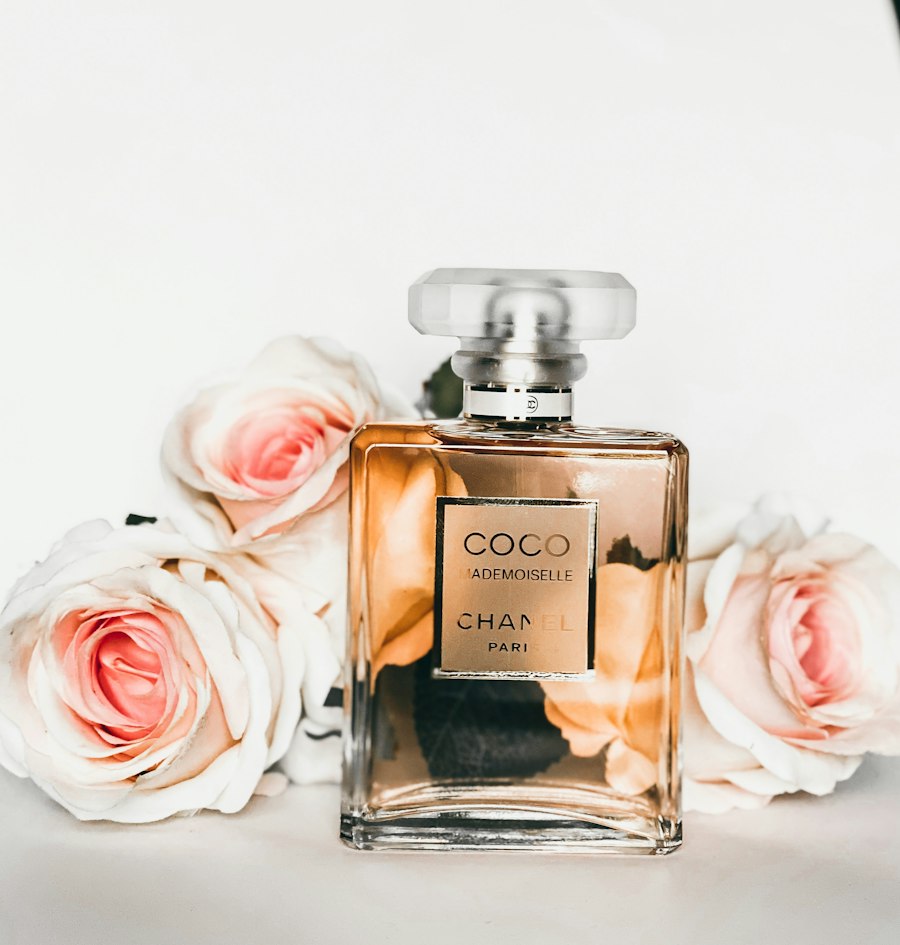
Why most people choose the wrong perfume
The most common mistake when buying perfume is choosing based on how it smells in the bottle, or worse, on someone else. Fragrance is deeply personal — the same perfume can smell completely different on two people, and dramatically different in summer versus winter.
The good news: once you understand a few key principles, choosing a perfume becomes much less hit-and-miss.
Start with fragrance families
Before testing anything, it helps to know which broad categories appeal to you. The main families are floral, oriental, woody, and fresh — with many subgroups within each. If you tend to like clean, airy scents, you probably gravitate toward fresh or light florals. If you prefer something warmer and more enveloping, orientals or woods are likely your territory.
Your skin changes everything
Skin chemistry — your natural pH, oils, and even diet — affects how a fragrance develops on you. This is why testing on skin, not paper, is essential. Spray on your wrist, wait 15 minutes for the top notes to fade, then smell what remains. That dry-down is what you will actually wear all day.
The rule of three: Never test more than three fragrances in one session. Your nose fatigues quickly, and everything starts to blur after that.
Consider the season and occasion
Heavy, resinous fragrances that feel perfect in winter can become overwhelming in summer heat. Similarly, a light aquatic scent that works beautifully on a warm day may feel thin and fleeting in cold weather. Most people find they naturally want different fragrances across the year.
Concentration matters
The same fragrance comes in different concentrations — Eau de Cologne, Eau de Toilette, Eau de Parfum, and Parfum. Higher concentration means more fragrance oil, which generally means longer lasting wear. EDP is the most versatile starting point for most people.
The test you should always do
If a fragrance passes the wrist test, wear it for a full day before committing. Most good fragrance counters will give you a sample. How a scent feels at hour six is very different from how it smells at hour one — and that matters much more than the opening impression.