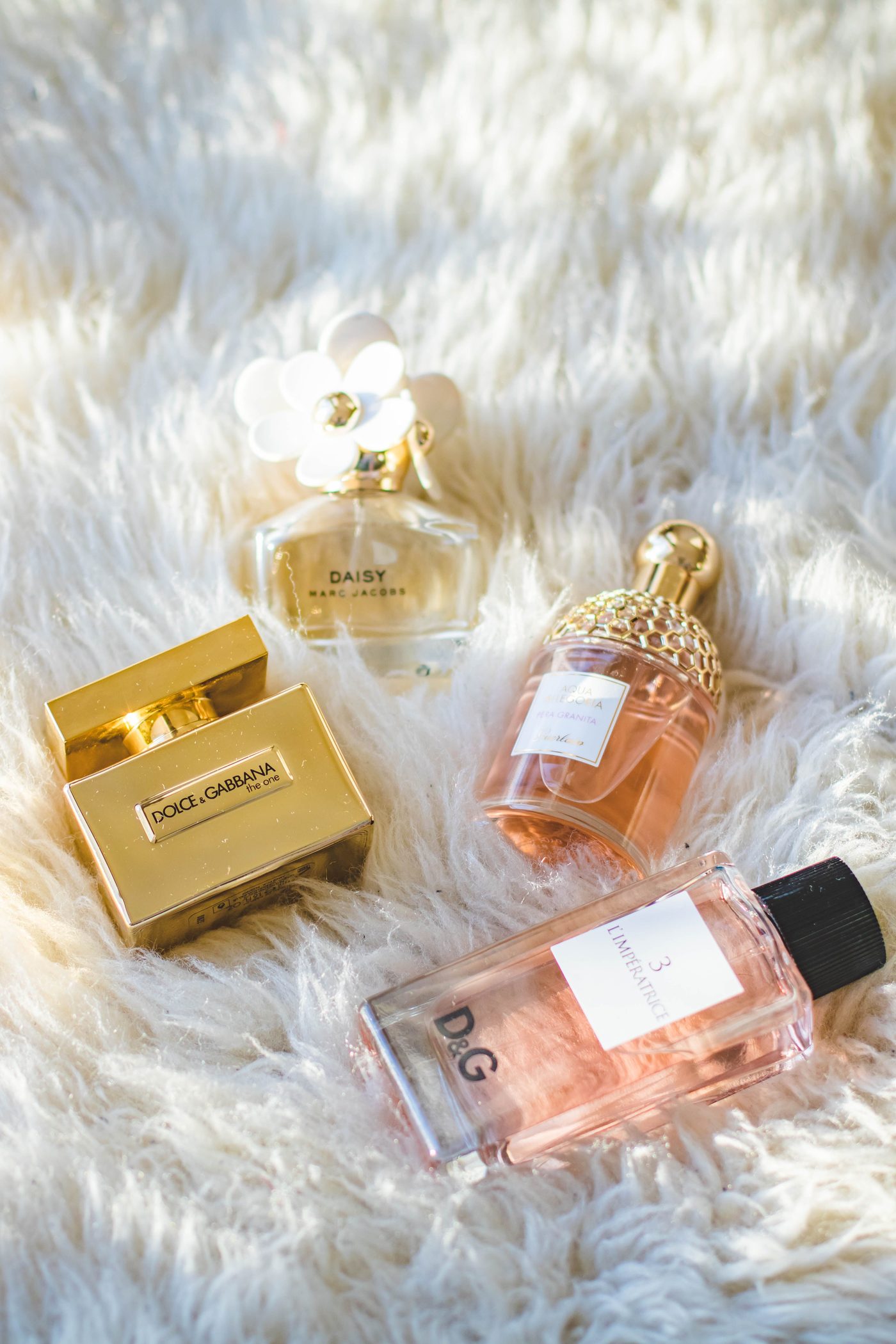
There is a particular pleasure in matching a fragrance to the season, and no season rewards the effort quite like winter. The amber-rich, spice-laden, resinous compositions that feel overwhelming under a summer sun come into their own in cold air, unfurling slowly and wrapping the wearer in warmth. If you have only ever worn light, fresh scents, winter is an invitation to explore something deeper.
Why the cold changes everything
Cold air suppresses a fragrance's projection — the molecules lift and travel more reluctantly. Light scents can vanish almost on contact, while heavier, warmer compositions release their character gradually and beautifully. Winter is the time to reach for the very fragrances that would be too much in July.
Amber and resins
Amber is winter's signature — warm, golden, faintly sweet, and enveloping. Amber-forward fragrances feel like a cashmere layer against the cold, and they project with quiet confidence in low temperatures. Paired with labdanum, benzoin, or incense, they take on a soft, devotional depth.
Gourmand warmth
Notes that recall the edible — vanilla, tonka, praline, roasted coffee — turn indulgent and comforting in the cold months. Worn with a light hand, a gourmand fragrance is intimate and inviting, ideal for long evenings and the depths of the season.
Woods and spice
Sandalwood and cedar, threaded with cinnamon, clove, or cardamom, feel grounding and quietly sophisticated against winter air. These compositions are long-lasting and pleasingly unisex — an excellent starting point for anyone seeking warmth without sweetness.
The drama of oud and incense
For those drawn to something more commanding, oud and incense offer smoke, depth, and a certain solemn luxury. Difficult to wear in heat, they are made for cold evenings, where their richness reads as elegance rather than excess. Whatever style you choose, remember that these scents are potent — a restrained application, as we describe in our guide to applying perfume properly, lets their warmth speak without shouting.